What a Year at WunderGraph Looks Like
TL;DR
A year in as WunderGraph’s technical content writer: the company roughly tripled in size, and the job was not to step into a finished role but to shape one while the company was still forming. Ownership is how work gets done. It is anchored to company-level goals, not untethered autonomy, and it rewards people who claim gaps, make thinking visible, and iterate in public. Speed here means removing friction, not living online; rest is built in through async work and retreats. If you need a mapped lane before you act, this place will feel disorienting. If you see something missing and think you could build it, you will feel at home.
After a year at WunderGraph, one thing stood out. The speed is real, but so is the structure behind it. This is what that combination feels like day-to-day, and why the past twelve months feel fuller than the calendar suggests.
We've been growing rapidly. We’re 3x bigger than we were a year ago, with more roles still to fill. Our culture blogs explain what we're looking for , how to apply , the company we're building , and how growth works here .
This essay is different. It’s a reflection on my first year at WunderGraph, stepping in as the technical content writer. Over that year, I learned that roles here aren’t something you just step into and execute. They’re something you shape as the company grows.
When I joined, the team was small and engineering-led. My first weeks were spent learning how the product worked, how the company communicated, and, more than anything, figuring out how to contribute most effectively. At that stage of a startup, structure isn’t something you inherit. It’s something you help create. What I needed to learn was that clarity doesn’t come first. It emerges through movement. Direction isn’t absent. Most of the energy goes into the work itself. Dailies, all-hands, and retreats exist to create shared context and alignment, not to add process overhead, so roles can continue to evolve without slowing the work.
Working remotely added another layer to that learning. I was the only one in my time zone, getting oriented to a fast-moving system from a distance. The first month was challenging because I was still figuring out where I fit and how to contribute. I start early for meetings across time zones, which means I can also pick up my kids every afternoon. Early mornings in exchange for being present when it matters. That's the deal.
Clarity arrived gradually, and then all at once.
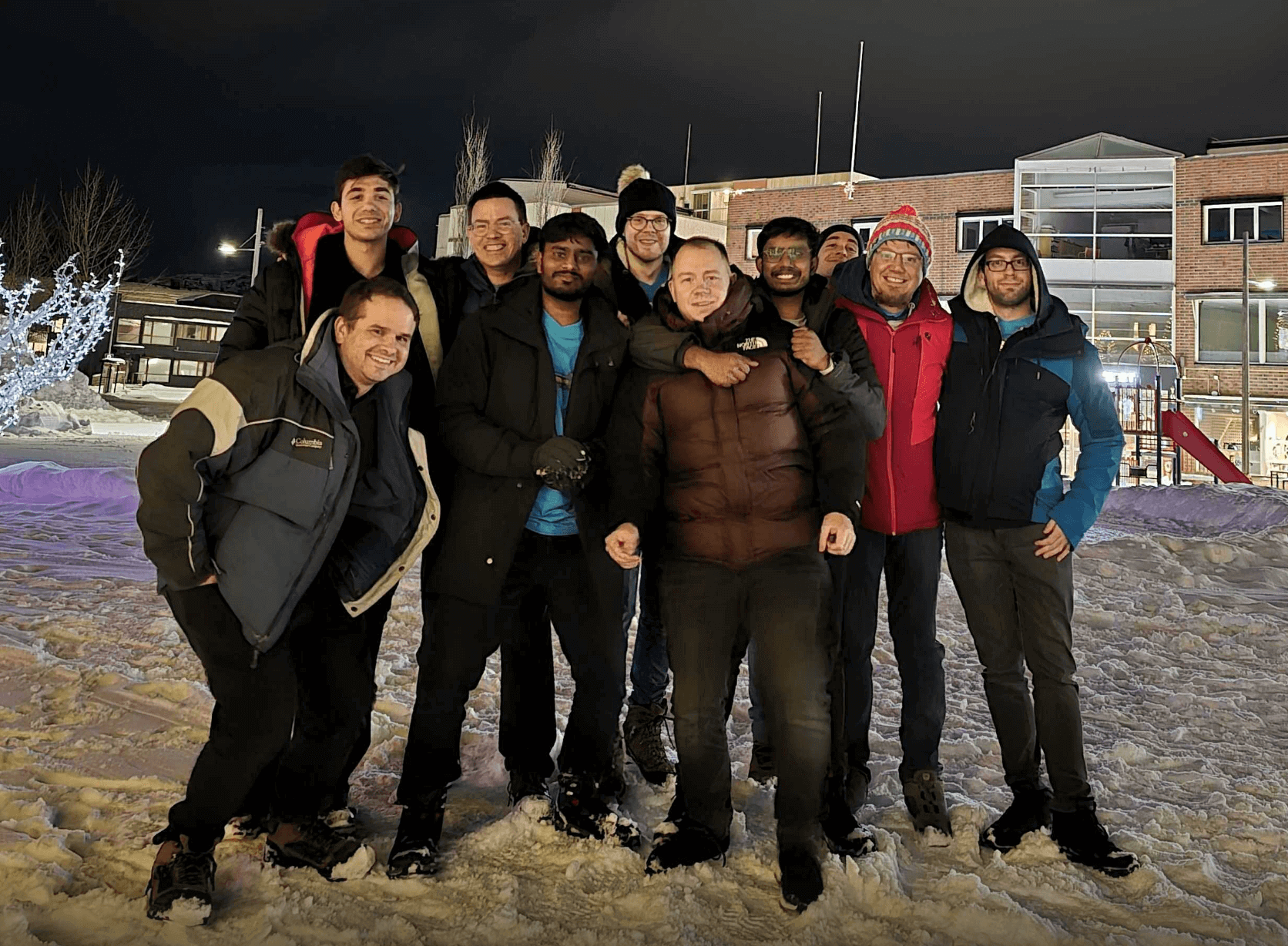
A retreat in Norway was the first time I met most of the team in person, about a month in. Seeing how the team operated face-to-face changed how I understood the company and where I fit within it. It became clear that the narrative itself, how we explained what we were building and why it mattered, was still being shaped. Up to that point, I had been learning the story. In Norway, I began to see how I fit inside it.
A few months later, during a WunderGraph hackathon in Germany, I finally had enough context to see where I could contribute beyond day-to-day execution. Preparing for the Series A announcement made it clear what work was ready to be claimed, and that was when I shifted from working within a lane to helping define it.
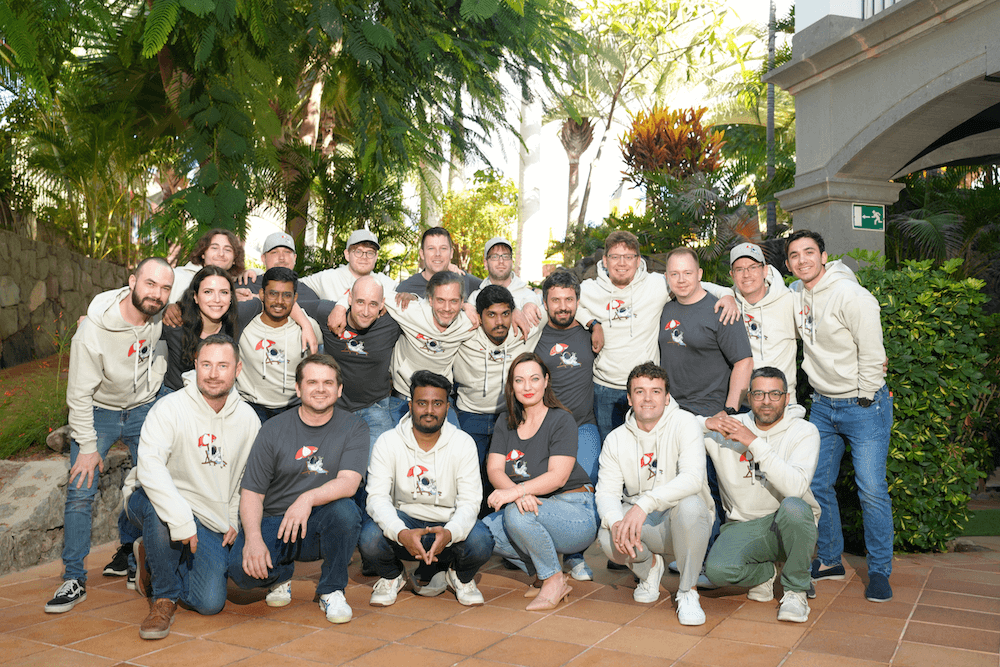
By the time we gathered in Gran Canaria, about ten months after Norway, the change was unmistakable. The first retreat had about ten people; now the company had tripled in size. Work was happening in multiple directions, and while things still came back together for decisions, the coordination alone made the scale shift obvious.
But what struck me more than the size was the pattern. Even with more people and more complexity, decisions still moved quickly because people stepped up to own them.
That ownership works because it’s anchored to clear company-level goals. Autonomy isn’t untethered. It's guided by all-hands meetings, cross-team collaboration, and goal setting that keep everyone oriented as we scale, without adding layers of approval or process.
As the team grew, it became clear that progress comes from those willing to move before everything is fully mapped. That individual drive only works because the company maintains shared goals, gives direct feedback, and treats feedback as part of the work, not a separate step. Within that structure, the work rewards those who surface gaps instead of waiting for instructions, make their thinking visible, and are willing to iterate in public rather than polish in isolation.
Very little energy is spent on ceremony here. Most of it goes into decisions that actually move the company.
Early on, I tended to wait for things to feel more settled before moving, rather than letting the work itself define the next step. As the year went on, forward motion became the baseline, and decisions were made while things were still in motion. What began as a focused effort on tightening our search and content foundation expanded into shaping the cadence and voice of our social presence as well.
One concrete example: shortly after the Series A announcement, I saw our LinkedIn posting strategy needed attention. Rather than waiting for direction, I tracked patterns, researched what was working elsewhere, proposed a plan, and owned the follow-through.
But that work doesn't happen in isolation. For example, I meet with Viola at the beginning of each week to analyze what customers are telling us. Those conversations directly shape how I think about messaging, not as technical features, but as solutions to the coordination problems teams describe.
One of our core beliefs is to be 150% behind our mission.
It's not about performative enthusiasm. It's what happens when you understand the problem and care about finding a solution. After months of learning how teams piece together tools across different systems and increasingly complex API landscapes, writing about WunderGraph shifted from explaining a technical product to the problems customers face every day. How teams collaborate, who owns what, and how decisions get made.
The technology addresses that organizational challenge. In practice, it shows up when people care enough about the outcome to take responsibility for figuring it out.
Another core belief is “Strive to do in a day what others do in weeks.”
That sounds intense, and it is. But it is not about working yourself into the ground. It’s about removing friction so you can focus on the work that matters.
Moving fast doesn't mean being constantly online. In practice, rest is built into the system through retreats, async work, and a focus on what you deliver rather than when you're online. The pace is demanding. The work moves with real urgency. It lasts because flexibility is built in, not because the intensity is lower.
The culture doesn’t require a specific personality or working style, but it does require ownership. “Wear any hat that needs wearing. There’s no job that isn’t your job.” That’s not aspirational language. It’s how work gets done here.
In a remote-first company, that ownership shows up through clear communication, direct feedback, and a willingness to surface problems early rather than letting them linger. Different working styles are respected, but the expectation to communicate openly and take responsibility doesn’t change.
The most defining part of the last year wasn’t learning specific tools or processes. It was learning how to operate while things were still forming and recognizing the values taking shape around me. Resilience carried more weight than polish. Adaptability carried more weight than certainty. Self-direction carried more weight than permission. The people who thrive here aren't waiting to be told exactly what to do. They're identifying something that needs to exist, claiming it, and seeing it through.
Early on, I waited longer than I should have to claim responsibility. It was less about needing permission and more about understanding how clarity emerges from movement here. That includes being willing to surface what doesn’t work early, creating shared learning instead of isolated mistakes.
How do I want to grow from here? The company has laid clear paths for progression. Initiative is visible here. Consistent work gets noticed.
I didn't grow into a predefined role. I learned how to shape one that can scale with the company. What keeps me here is that this still feels like a place where that shaping isn’t finished.
At this point, it should be clear whether this environment aligns with how you want to operate. If you need clearly defined lanes and stable expectations, this will feel disorienting. If you see gaps and think “I could build that,” you’ll feel at home.
People tend to struggle here if they wait for full clarity before acting, rely on constant validation, or expect problems to be neatly assigned rather than claimed. The work rewards initiative and visible ownership, not quiet execution within fixed boundaries.
If this way of working resonates, we should talk. Check our open roles or reach out directly.
Frequently Asked Questions (FAQ)
WunderGraph is a remote-first, fast-scaling company where roles are shaped rather than assigned. Structure comes from shared goals, dailies, all-hands, and retreats rather than layers of process. The pace is demanding, rest is built in through async work and in-person gatherings, and people are expected to claim gaps instead of waiting for a mapped-out lane.
People who see a gap and think they could build it. The culture rewards initiative, visible ownership, and iterating in public. It is a poor fit if you need clearly defined lanes, wait for full clarity before acting, or expect problems to be assigned rather than claimed.
Ownership is anchored to company-level goals, not untethered autonomy. All-hands, cross-team collaboration, and goal setting keep people oriented as the company scales. Progress comes from people who move before everything is fully mapped, make their thinking visible, and treat feedback as part of the work.
Yes. It is remote-first, with people across time zones, and it meets in person at retreats. In a remote setup, ownership shows up as clear communication, direct feedback, and surfacing problems early rather than letting them linger.
The company roughly tripled in size over the year covered in the post, from a small engineering-led team to one with more roles still to fill. The first retreat had about ten people; later gatherings made the scale shift obvious while decisions still moved quickly because people owned them.
Content Manager
Brendan Bondurant is the Content Manager at WunderGraph, owning technical content across GraphQL Federation, API tooling, and developer experience. He partners with leadership on product and company messaging and works cross functionally to align positioning, terminology, and content strategy across channels.